

Search this journal

Search by title, author, DOI or keyword.

Search Results

8 articles

Comprehensive Analysis of Decortication Effects on Faba Bean Bioactive Compounds and Antioxidant Activities

Imene Rajhi, Mondher Boulaaba, Rim Nefissi Ouertani, Haythem Mhadhbi

Food and Drug Safety · 98-107 · 10.55121/fds.v3i2.102354

This study investigated the impact of seed coat removal (decortication) on the phenolic composition and antioxidant activities of two Tunisian faba bean (Vicia faba L.) cultivars (Local Nabeul and Local Beja). The total phenolic, flavonoid, and tannin contents, alongside three antioxidant activity assays (1,1-diphenyl-2-picrylhy
Read article →↓ PDF Cite281 views151 downloads

Effect of Different Drying Methods on the Chemical and Antioxidant Properties of Avocado Seed Powder

Rebecca Olajumoke Oloniyo, Blessing Abeni Ekele, Jabiru Daddy Aliyu, Mary Anuoluwapo Ajatta, Opeyemi Banke Abiodun

Food and Drug Safety · 1-11 · 10.55121/fds.v3i2.1045

Avocado fruits are considered the healthiest fruit in the world due to their high nutritional value. It is rich in valuable bioactive compounds that could be used in the treatment of degenerative diseases, but its seeds remain underutilized. This study investigates the effect of three different drying methods on the chemical and

Read article →↓ PDF Cite1,126 views1,259 downloads

Evaluation of Hepatoprotective Activity of Tribulus terrestris in D-Galactosamine- and Paracetamol-Induced Hepatotoxicity in the Rat Model

Ramji Gupta, Nitya Sharma, Mohd Hasan Mujahid, Sumeer Ahmed

Food and Drug Safety · 52-63 · 10.55121/fds.v3i2.1184

In traditional Indian and Chinese medicine, Tribulus terrestris has been frequently used to treat liver problems. The aim of this study was to look at the protective effect on the liver of the airborne (leaves, stems, fruits, flowers) leaves, stems, fruits, and flowers of the plant against hepatotoxicity caused by D-galactosamin

Read article →↓ PDF Cite624 views511 downloads

Therapeutic Effects of Natural Products in Diabetic Retinopathy through Aldose Reductase Inhibition

Deokho Lee, Livio Vitiello

Food and Drug Safety · 42-50 · 10.55121/fds.v3i1.846

Diabetic retinopathy (DR) is one of the most dangerous and cruel microvascular complications of diabetes, leading to visual impairment and blindness if left untreated. The development of DR is determined by complex multiple pathologic mechanisms, including oxidative stress, chronic inflammation, retinal vascular dysfunction, and

Read article →↓ PDF Cite610 views562 downloads

Bamboo Leaves: An Emerging Multi-functional Food

Poonam Singhal

Food and Drug Safety · 1-9 · 10.55121/fds.v1i1.134

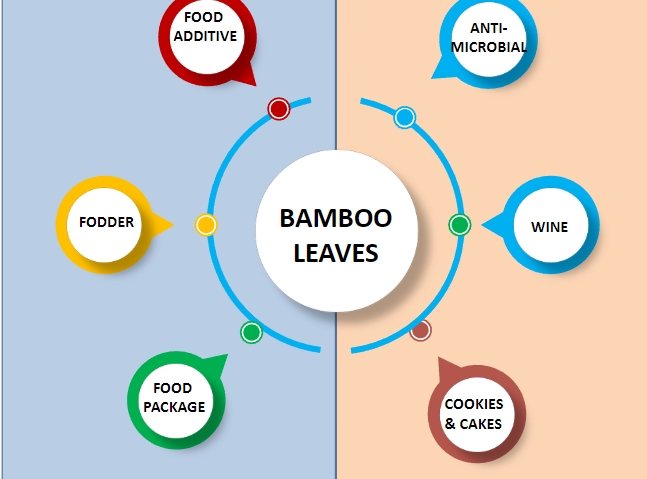
Bamboos form a unique group of giant arborescent grasses belonging to the family Poaceae and sub-family Bambuseae. Bamboo leaves are the favorite food of pandas and many other animals and are much valued as fodder. Other than this, its uses in the food industry in various food products, bamboo wine and as packaging material are 

Graphical abstract for Bamboo Leaves: An Emerging Multi-functional Food
Read article →↓ PDF Cite2,157 views2,787 downloads

Food Packaging Materials: Risks of Contamination

Nabila Bouhadi, Lilya Boudriche, Nora Ghaliaoui, Ouahiba Nait Abderrahmane

Food and Drug Safety · 77-87 · 10.55121/fds.v3i1.892

Food packaging performs multiple essential functions: it protects, preserves, contains, markets, stores, and facilitates the transport of food products. Throughout the food supply chain, packaging plays a critical role in maintaining food quality, safety, and shelf life. Growing consumer expectations and evolving market trends h

Read article →↓ PDF Cite1,158 views854 downloads

Bioactive Compounds of Capsicum Species and Their Therapeutic Properties: A Comprehensive Review

Behzad Mohammadi

Food and Drug Safety · 51-63 · 10.55121/fds.v3i1.838

Hot peppers, belonging to the Capsicum genus, are cultivated worldwide not only as spices and vegetables but also as valuable sources of bioactive compounds with potential health benefits. These plants contain a wide range of biologically active molecules, including capsaicinoids, capsinoids, carotenoids, phenolic compounds, vit

Read article →↓ PDF Cite1,777 views939 downloads

Artemisia annua: Illuminating the Spectrum of Pharmacological Wonders

Vasanthkumar Sankar Sangeetha, Yazhini Saravanakumar Padmavathi

Food and Drug Safety · 40-53 · 10.55121/fds.v2i1.421

Artemisia annua L., commonly called sweet wormwood, is famous for its therapeutic benefits gained from artemisinin and its rich phytochemicals. This review investigates flavonoids, such as quercetin, phenolic acids such as caffeic acid, monoterpenes like camphor, sesquiterpenes, coumarins, and essential oils, which support its r

Read article →↓ PDF Cite1,773 views1,342 downloads