

Search this journal

Search by title, author, DOI or keyword.

Search Results

8 articles

Barrel Medic Bloom Extract: A Natural Aid against Breast Cancer

Raghad Salman Mouhamad

Food and Drug Safety · 103-113 · 10.55121/fds.v3i1.935

Breast cancer continues to be the foremost cause of cancer-related deaths among women globally. Medicago truncatula (Barrel medic) is acknowledged as a herbaceous plant possessing significant therapeutic and anticancer properties. The investigation examined the cytotoxic and inhibitory effects of aqueous and ethanolic extracts p
Read article →↓ PDF Cite479 views443 downloads

Comprehensive Review on Mechanistic Insights, Optimal Dosages, and Safety Prospective of Natural Products in Anticancer Therapeutics

Gul-e-Saba Chaudhry, Zeenia, Abdah Md Akim, Sung, Tengku Muhammad

Food and Drug Safety · 10-27 · 10.55121/fds.v1i1.137

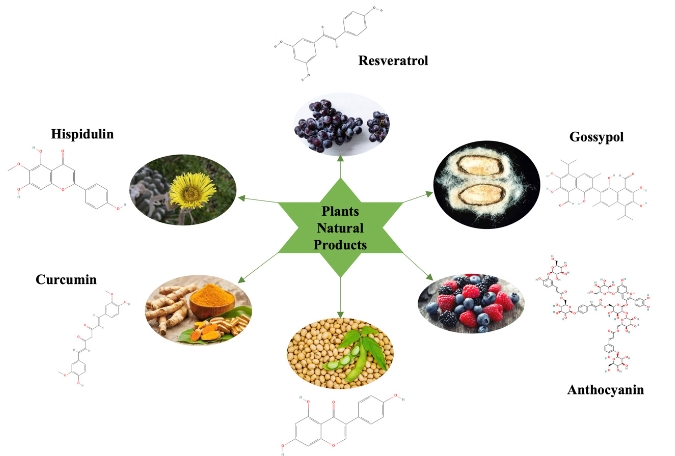
Cancer remains a formidable global health challenge, necessitating sustained research efforts to develop innovative and efficacious therapeutic modalities. The exploration of alternative cancer therapies has gained prominence, given the adverse side effects associated with conventional treatments like chemotherapy. Natural medic

Graphical abstract for Comprehensive Review on Mechanistic Insights, Optimal Dosages, and Safety Prospective of Natural Products in Anticancer Therapeutics
Read article →↓ PDF Cite1,373 views896 downloads

Rethinking Meat in Our Diet: The Case Against Its Role in Health

Melaku Tafese Awulachew

Food and Drug Safety · 1-15 · 10.55121/fds.v2i2.316

Meat is a rich source of essential nutrients, including high-quality protein, bioavailable iron, zinc, and vitamin B12—nutrients often limited in plant-based diets. However, growing concerns surround the health impacts of meat consumption, particularly industrially processed meats that contain preservatives such as nitrates, nit

Read article →↓ PDF Cite1,125 views990 downloads

Bioactive Compounds of Capsicum Species and Their Therapeutic Properties: A Comprehensive Review

Behzad Mohammadi

Food and Drug Safety · 51-63 · 10.55121/fds.v3i1.838

Hot peppers, belonging to the Capsicum genus, are cultivated worldwide not only as spices and vegetables but also as valuable sources of bioactive compounds with potential health benefits. These plants contain a wide range of biologically active molecules, including capsaicinoids, capsinoids, carotenoids, phenolic compounds, vit

Read article →↓ PDF Cite1,777 views939 downloads

Ecotoxicity of Petrogenic Plastic Particles in Fish: Implication for Human Health and Environmental Risk Assessment

Bwala Mathias Nzitiri, Gaya Abalis Ezra, Nayaya Ahmad Jibrin, Buba Toma

Food and Drug Safety · 1-16 · 10.55121/fds.v3i1.700

Petrogenic plastics might fragment within the ecosystems into progressively smaller fragments classified by size as “macroplastics”, “mesoplastics”, “microplastics”, and “nanoplastics”. Petrogenic micro and nano plastics (MNPs) are ubiquitous in the ecosystems and form as a result of the ageing or the action of prevailing bio-en

Read article →↓ PDF Cite752 views497 downloads

Artemisia annua: Illuminating the Spectrum of Pharmacological Wonders

Vasanthkumar Sankar Sangeetha, Yazhini Saravanakumar Padmavathi

Food and Drug Safety · 40-53 · 10.55121/fds.v2i1.421

Artemisia annua L., commonly called sweet wormwood, is famous for its therapeutic benefits gained from artemisinin and its rich phytochemicals. This review investigates flavonoids, such as quercetin, phenolic acids such as caffeic acid, monoterpenes like camphor, sesquiterpenes, coumarins, and essential oils, which support its r

Read article →↓ PDF Cite1,773 views1,342 downloads

Impact on Hormone Disruption and Other Endocrine Abnormalities by Genetically Modified Foods and Other Contaminants in the Food Industry

Perla D. Serrano-López, Frida B. Ocampo-Juárez, Alexandra Magaña-Rodríguez, José A. Téllez Morales

Food and Drug Safety · 15-24 · 10.55121/fds.v2i1.223

The use of chemicals in the food industry and their manipulation has become a common occurrence. This raises concerns about the potential risks associated with prenatal exposure to these substances. It is important to understand how they can affect the fetus without the mother’s knowledge. The objective of this review was to exa

Read article →↓ PDF Cite1,026 views631 downloads

Bamboo Leaves: An Emerging Multi-functional Food

Poonam Singhal

Food and Drug Safety · 1-9 · 10.55121/fds.v1i1.134

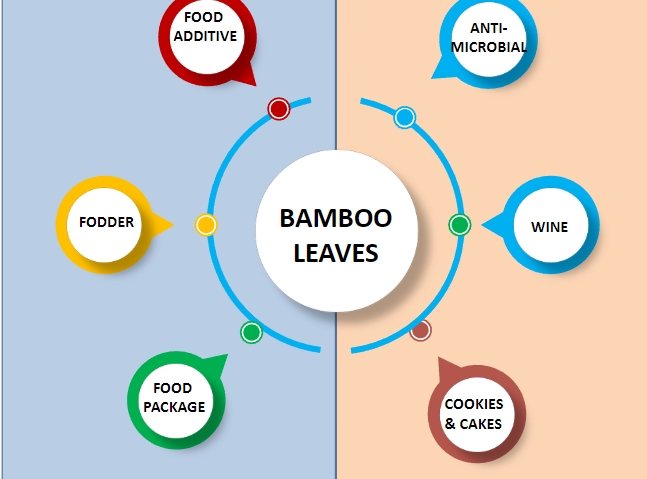
Bamboos form a unique group of giant arborescent grasses belonging to the family Poaceae and sub-family Bambuseae. Bamboo leaves are the favorite food of pandas and many other animals and are much valued as fodder. Other than this, its uses in the food industry in various food products, bamboo wine and as packaging material are 

Graphical abstract for Bamboo Leaves: An Emerging Multi-functional Food
Read article →↓ PDF Cite2,157 views2,787 downloads