

Search this journal

Search by title, author, DOI or keyword.

Search Results

9 articles

Safety Evaluation of Therapeutic Interventions for Plantar Warts (Kapasi): Psychodermatology, Stress-Mediated Immunity, and Regulatory Considerations

Sarah Gadavala, Sheetal Sandip Buddhadev, Sandip Buddhadev

Food and Drug Safety · 38-51 · 10.55121/fds.v3i2.976

Currently, there are more than 3 million people worldwide suffering from plantar warts (Kapsi). Possible ways of treatment include keratolytics, cryosurgery, lasers, and intralesional immunotherapy. However, many factors, including the high rate of treatment failure, local regulations, safety concerns, and self-medicating practi
Read article →↓ PDF Cite608 views600 downloads

Bioactive Compounds of Capsicum Species and Their Therapeutic Properties: A Comprehensive Review

Behzad Mohammadi

Food and Drug Safety · 51-63 · 10.55121/fds.v3i1.838

Hot peppers, belonging to the Capsicum genus, are cultivated worldwide not only as spices and vegetables but also as valuable sources of bioactive compounds with potential health benefits. These plants contain a wide range of biologically active molecules, including capsaicinoids, capsinoids, carotenoids, phenolic compounds, vit

Read article →↓ PDF Cite1,786 views947 downloads

Therapeutic Effects of Natural Products in Diabetic Retinopathy through Aldose Reductase Inhibition

Deokho Lee, Livio Vitiello

Food and Drug Safety · 42-50 · 10.55121/fds.v3i1.846

Diabetic retinopathy (DR) is one of the most dangerous and cruel microvascular complications of diabetes, leading to visual impairment and blindness if left untreated. The development of DR is determined by complex multiple pathologic mechanisms, including oxidative stress, chronic inflammation, retinal vascular dysfunction, and

Read article →↓ PDF Cite616 views567 downloads

Comprehensive Review on Mechanistic Insights, Optimal Dosages, and Safety Prospective of Natural Products in Anticancer Therapeutics

Gul-e-Saba Chaudhry, Zeenia, Abdah Md Akim, Sung, Tengku Muhammad

Food and Drug Safety · 10-27 · 10.55121/fds.v1i1.137

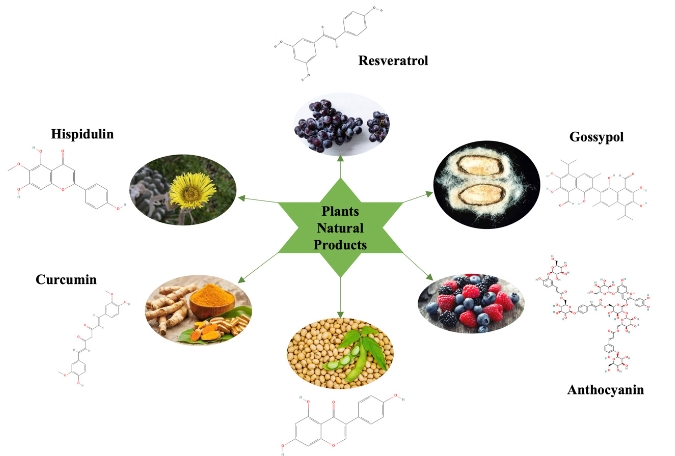
Cancer remains a formidable global health challenge, necessitating sustained research efforts to develop innovative and efficacious therapeutic modalities. The exploration of alternative cancer therapies has gained prominence, given the adverse side effects associated with conventional treatments like chemotherapy. Natural medic

Graphical abstract for Comprehensive Review on Mechanistic Insights, Optimal Dosages, and Safety Prospective of Natural Products in Anticancer Therapeutics
Read article →↓ PDF Cite1,378 views904 downloads

Barrel Medic Bloom Extract: A Natural Aid against Breast Cancer

Raghad Salman Mouhamad

Food and Drug Safety · 103-113 · 10.55121/fds.v3i1.935

Breast cancer continues to be the foremost cause of cancer-related deaths among women globally. Medicago truncatula (Barrel medic) is acknowledged as a herbaceous plant possessing significant therapeutic and anticancer properties. The investigation examined the cytotoxic and inhibitory effects of aqueous and ethanolic extracts p

Read article →↓ PDF Cite484 views448 downloads

Over-the-Counter Drugs: Misuse and Safety Implications

Alejandro Borrego-Ruiz

Food and Drug Safety · 17-41 · 10.55121/fds.v3i1.780

Although over-the-counter (OTC) drugs are regarded as relatively safe and effective for self-treatment, their growing prevalence and accessibility raise concerns about misuse, addiction, and adverse health consequences. This narrative review provides a current overview of OTC drugs with misuse potential and their associated safe

Read article →↓ PDF Cite2,111 views1,292 downloads

Nanotechnology in Aquaculture: Food Safety, Human Health Risks, and Regulatory Challenges

Ntombikayise Mahaye

Food and Drug Safety · 70-89 · 10.55121/fds.v2i2.661

The integration of nanotechnology into aquaculture presents transformative opportunities to enhance feed efficiency, disease control, and sustainability. However, the potential for engineered nanoparticles (ENPs) to accumulate in edible tissues raises significant food safety and human health concerns. Recent analyses using singl

Read article →↓ PDF Cite1,338 views452 downloads

Artemisia annua: Illuminating the Spectrum of Pharmacological Wonders

Vasanthkumar Sankar Sangeetha, Yazhini Saravanakumar Padmavathi

Food and Drug Safety · 40-53 · 10.55121/fds.v2i1.421

Artemisia annua L., commonly called sweet wormwood, is famous for its therapeutic benefits gained from artemisinin and its rich phytochemicals. This review investigates flavonoids, such as quercetin, phenolic acids such as caffeic acid, monoterpenes like camphor, sesquiterpenes, coumarins, and essential oils, which support its r

Read article →↓ PDF Cite1,787 views1,352 downloads

Safety Challenges in Blood Transfusion Systems in Low- and Middle-Income Countries: Implications for Public Health, Laboratory Quality, and Regulatory Oversight

Moses Dabah Lugos, Darshna Yagnik, Addi Danjuma Masokano, Peter Ubah Okeke, Grace Kuje Ogbor, Dapus Obadiah Damulak

Food and Drug Safety · 81-97 · 10.55121/fds.v3i2.101824

Blood transfusion represents a critical therapeutic intervention, and blood and blood components are increasingly recognised within biological product regulatory frameworks as regulated biological products. Nevertheless, maintaining blood transfusion safety in low- and middle-income countries (LMICs) remains a significant challe

Read article → Cite431 views0 downloads