

Search this journal

Search by title, author, DOI or keyword.

Search Results

5 articles

Bamboo Leaves: An Emerging Multi-functional Food

Poonam Singhal

Food and Drug Safety · 1-9 · 10.55121/fds.v1i1.134

Bamboos form a unique group of giant arborescent grasses belonging to the family Poaceae and sub-family Bambuseae. Bamboo leaves are the favorite food of pandas and many other animals and are much valued as fodder. Other than this, its uses in the food industry in various food products, bamboo wine and as packaging material are 
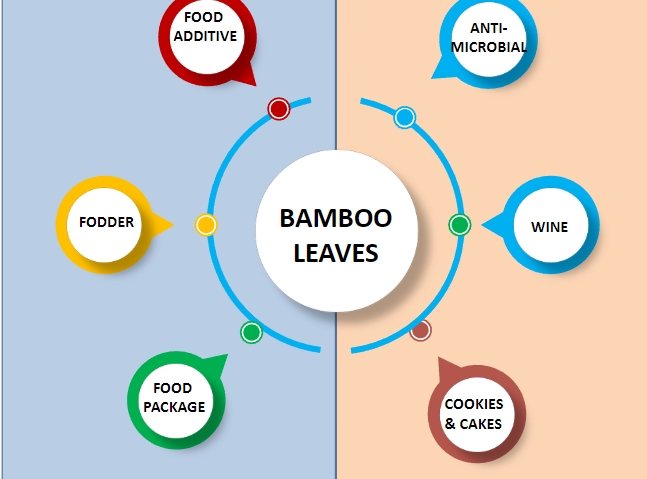
Graphical abstract for Bamboo Leaves: An Emerging Multi-functional Food
Read article →↓ PDF Cite2,157 views2,788 downloads

Safety Evaluation of Therapeutic Interventions for Plantar Warts (Kapasi): Psychodermatology, Stress-Mediated Immunity, and Regulatory Considerations

Sarah Gadavala, Sheetal Sandip Buddhadev, Sandip Buddhadev

Food and Drug Safety · 38-51 · 10.55121/fds.v3i2.976

Currently, there are more than 3 million people worldwide suffering from plantar warts (Kapsi). Possible ways of treatment include keratolytics, cryosurgery, lasers, and intralesional immunotherapy. However, many factors, including the high rate of treatment failure, local regulations, safety concerns, and self-medicating practi

Read article →↓ PDF Cite602 views597 downloads

Biochemical and Microbiological Safety Risks in Salted Fish Products: A Review

Mario Nosić

Food and Drug Safety · 88-102 · 10.55121/fds.v3i1.1082

Salting is one of the most widely used fish processing methods, although fish prepared in such a way is exposed to many biochemical changes. There is still insufficient information on the mechanisms of reactions that occur during salting, so the process is still conducted on an experimental basis. Sodium chloride (NaCl) reduces

Read article →↓ PDF Cite1,461 views683 downloads

Nanotechnology in Aquaculture: Food Safety, Human Health Risks, and Regulatory Challenges

Ntombikayise Mahaye

Food and Drug Safety · 70-89 · 10.55121/fds.v2i2.661

The integration of nanotechnology into aquaculture presents transformative opportunities to enhance feed efficiency, disease control, and sustainability. However, the potential for engineered nanoparticles (ENPs) to accumulate in edible tissues raises significant food safety and human health concerns. Recent analyses using singl

Read article →↓ PDF Cite1,332 views446 downloads

Development Technology of Robusta Coffee Beans Decaffeinated with Controlled Maceration Using an Automatic Reactor

Asmak Afriliana, Nesya Richma Yunifa, Nesya Diniyah, Maria Belgis, Giyarto Ciptowidodo, Hadrian Khadafi, Endar Hidayat

Food and Drug Safety · 33-44 · 10.55121/fds.v2i2.410

Decaffeinated coffee has developed into a commercial product of high economic value. Health reasons factor into consumer preference for decaffeinated coffee. The decaffeination process generally uses simple tools and methods, so the process becomes less effective and takes a longer time. Decaffeination of controlled maceration m

Read article →↓ PDF Cite924 views858 downloads