2022 Vol.1 No.1 cover

Open Access · 2022

2022 Vol.1 No.1


New Environmentally-Friendly Materials

Browse all issues →

Table of Contents

5 articles

Comparison of the Antibacterial Effect of Different Biological Silver Nanoparticles Synthetized and Integrated with Honeys

Victor Hugo Clebis, Sara Scandorieiro, Wilma Aparecida Spinosa, Viviane Lopes Leite da Costa, Isabella Martins Lourenço, Amedea Barozzi Seabra, Renata Katsuko Takayama Kobayashi, Gerson Nakazato

New Environmentally-Friendly Materials · 1-23 · 10.55121/nefm.v1i1.46

This study compares the morphologies, zeta potentials, and antibacterial effects a total 12 different microcompounds containing honey and silver nanoparticles, in a novel study of the difference between honey samples in nanoparticle synthesis, as well as the antibacterial interaction that those honey samples can have with the si
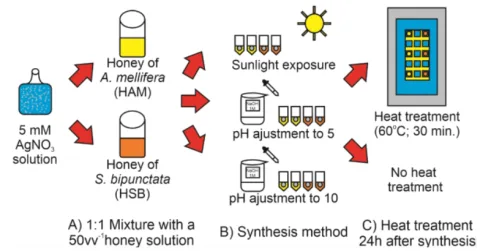
Graphical abstract for Comparison of the Antibacterial Effect of Different Biological Silver Nanoparticles Synthetized and Integrated with Honeys
Read article →↓ PDF Cite1,690 views1,067 downloads

MOFs as Environmentally Friendly Photocatalysts for Organic Pollutants Degradation

Sajad Hussain, Muhammad Anis Aslam

New Environmentally-Friendly Materials · 24-41 · 10.55121/nefm.v1i1.859

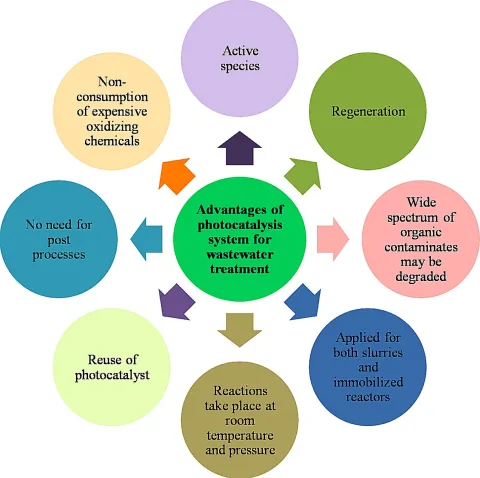
Metal–organic frameworks (MOFs) have gained significant attention as advanced photocatalysts for the degradation of organic pollutants due to their unique structural versatility, high surface area, tunable porosity, and customizable metal–ligand coordination. This review highlights the environmental challenges posed by persisten

Graphical abstract for MOFs as Environmentally Friendly Photocatalysts for Organic Pollutants Degradation
Read article →↓ PDF Cite1,454 views832 downloads

Next-Generation Biodegradable Polymers: From Synthesis to Industrial Applications

Ismat Ullah Khan

New Environmentally-Friendly Materials · 42-64 · 10.55121/nefm.v1i1.860

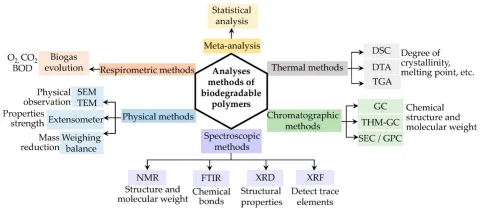
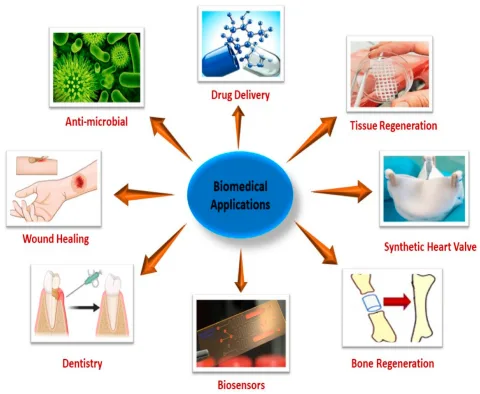
Biodegradable polymers of the next generation have become a hopeful move towards reducing the increasing environmental issues regarding the problem of plastic pollution. Being made out of renewable bio-based feedstock, these polymers also possess the option of naturally degrading within the environment, minimizing plastic waste

Graphical abstract for Next-Generation Biodegradable Polymers: From Synthesis to Industrial Applications
Read article →↓ PDF Cite957 views679 downloads

Recent Advances in Self-Healing Green Composites for Structural Applications

Sher Wali Khan, Muhammad Tariq

New Environmentally-Friendly Materials · 65-82 · 10.55121/nefm.v1i1.861

The development of self-healing green composites offers a sustainable pathway to extend the lifespan of structural materials while reducing environmental impact. This review takes a look at developments in the three principal techniques of self-healing considered namely use of bio-based healing agents, use of microcapsule system

Graphical abstract for Recent Advances in Self-Healing Green Composites for Structural Applications
Read article →↓ PDF Cite895 views802 downloads

Sawdust as an Environmentally Friendly Adsorbent

Muhammad Anis Aslam, Idrees Khan

New Environmentally-Friendly Materials · 83-101 · 10.55121/nefm.v1i1.862

Sawdust, an abundant byproduct of the wood processing industry, has gained attention as a sustainable, low-cost adsorbent for water and wastewater treatment. Its lignocellulosic composition—rich in cellulose, hemicellulose, and lignin—provides a variety of functional groups capable of binding a wide range of contaminants, includ

Graphical abstract for Sawdust as an Environmentally Friendly Adsorbent
Read article →↓ PDF Cite1,502 views828 downloads